Team leadership
Cross-functional teams, priorities, mentoring and the conversation with the business. I want teams that deliver steadily without relying on heroes.
Julián Cardozo · Engineering Manager
15+ years in software: I started in Java backends, grew through banking and fintech working on payments, and today I lead cross-functional teams across architecture, platform and delivery. My code is still public, so you can review it before we talk.
Open to my next opportunity as an Engineering Manager.
Programming with AI agents
Programming with agents isn't asking a chat for code. It's designing the system they work in. To bring them into the development cycle I use four layers:
With spec-driven development, every change starts from what it has to do, what can't break and how we are going to verify it.
Repository rules, architecture decisions and close examples are versioned in files like AGENTS.md, so any agent works with the same judgment as the team.
Scoped tasks, tools connected through MCP and automated checks (tests, linters, evals) that validate every result.
The team decides what gets merged and what we can maintain. The riskier the task, the more control it gets.
The time we get back is reinvested in what an agent can't solve: understanding the problem with product, testing the critical cases and making design decisions that last for years.
Strengths
Six strengths, each with a place where you can check it.
Cross-functional teams, priorities, mentoring and the conversation with the business. I want teams that deliver steadily without relying on heroes.
Technical decisions that can be explained and operated: multi-tenancy, integrations, cloud and developer experience.
Banking, payments and fintech: reconciliation, auditing, security and regulation, where an error is a transaction that never happened.
I start from the problem, not the stack. I translate trade-offs between engineering and the business, and I can take an idea from zero to production.
Spec-driven development, agents and AI-assisted development across the whole cycle, with judgment and verification.
I lead without losing technical judgment. I keep building in Java, TypeScript and Python, all of it in the open.
Career
Each stage widened the system I was responsible for and left me with a capability I still use.
Today
I lead cross-functional teams: architecture, platform, priorities and the conversation with the business. Less of my own code and more decisions that enable other people’s code.
Capability gainedTechnical strategy, mentoring and translating between engineering and business.
Alongside
Spec-driven development, AI-assisted development, agents and MCP applied to the whole cycle. AI doesn't replace judgment: it compresses the time between understanding a problem and having something working.
Capability gainedGoing from need to deployed product without depending on a whole team.
Agency and clients
I founded and worked in a development and digital marketing agency: websites, e-commerce, branding and complete deliveries for real clients, with a budget and a deadline.
Capability gainedSelling, designing and communicating a solution, not just building it.
Fintech
Volume, third-party integrations, webhooks, observability and short delivery cycles without lowering the security bar.
Capability gainedDesigning for integration: every real system lives alongside others you don't control.
Banking and payments
I worked where money actually moves: reconciliation, payment states, auditing, access control and regulatory requirements that are not negotiable.
Capability gainedUnderstanding a payment as an auditable state machine, not an HTTP call.
Early years
Backend, REST APIs, Spring, persistence, message queues. Enterprise systems where an error isn't a cosmetic bug: it's a transaction that never happened.
Capability gainedSolid backend skills and respect for data consistency.
Foundations
Algorithms, data structures, databases and design patterns. The part that doesn't expire: when a system goes down at three in the morning, what helps is understanding what's happening underneath.
Capability gainedJudgment to reason about systems, not just use them.
How I lead
A team decides well when it understands the problem and its constraints. My job is to create that context, not to make every decision.
If something only works when one person is around, it isn't solved yet. I aim for shared knowledge and sustainable delivery.
Multi-tenancy, dual currency or an event ledger are business decisions written in code, and they're expensive if they arrive late.
It speeds up researching, specifying and building. Deciding what gets built, reviewing what it produces and owning the result stays with people.
Projects
Alongside leading, I build my own products end to end. Every case study shows the problem, the technical decisions and the real status.
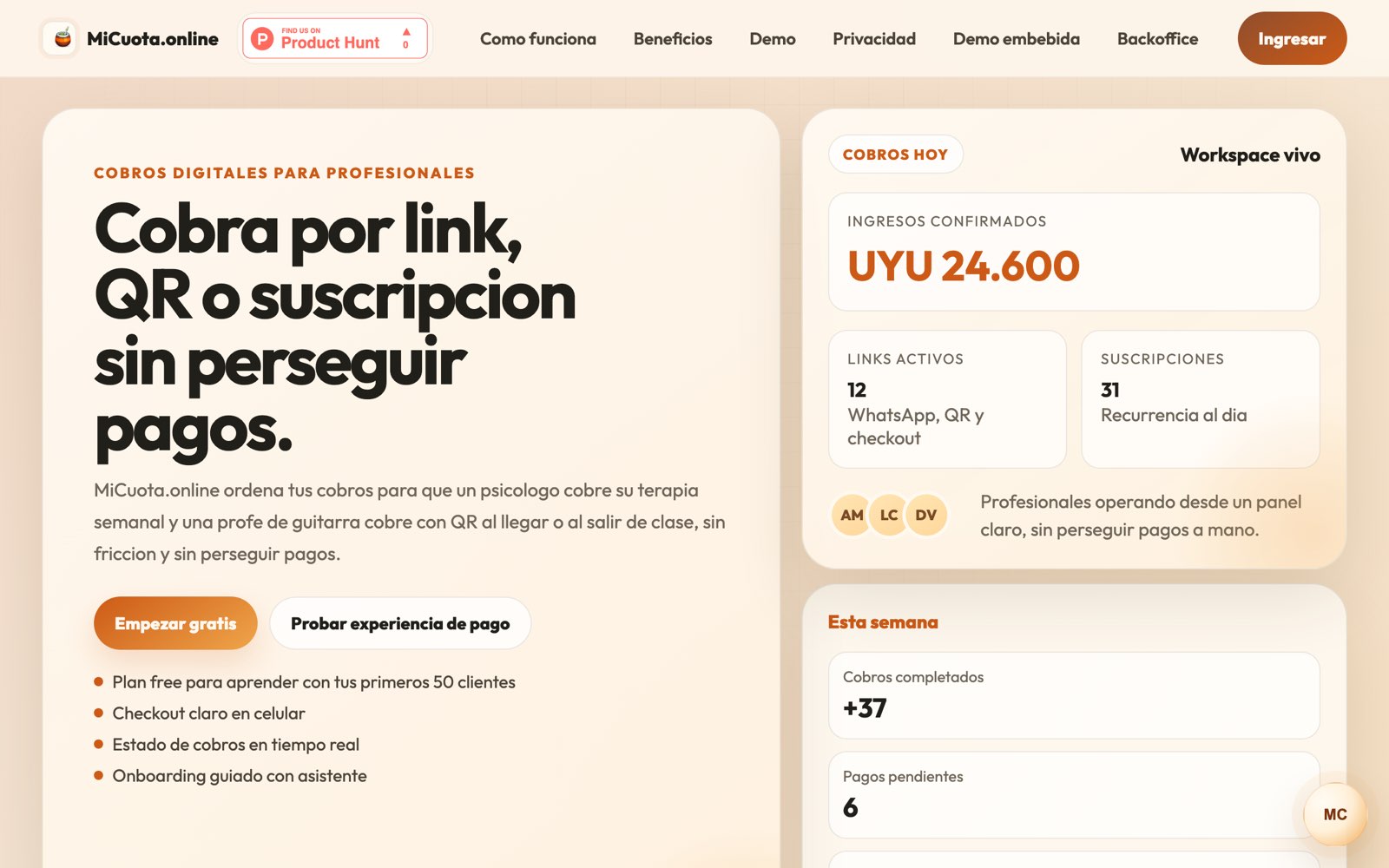
Collecting recurring payments without chasing anyone on WhatsApp.
OriginI spent years in banking and fintech, where a payment is a state machine with reconciliation and auditing behind it.
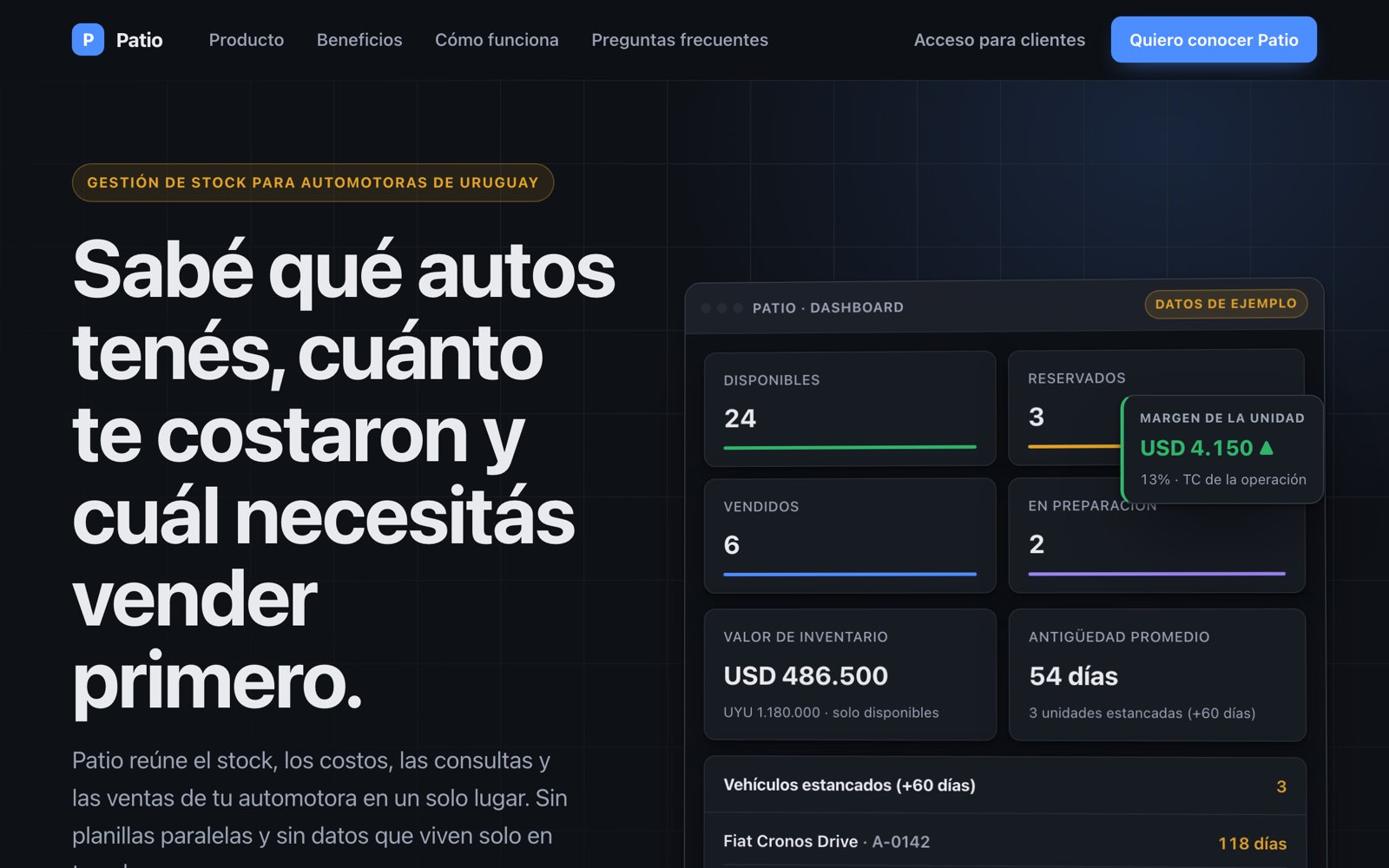
A car dealership's inventory, without the shared spreadsheet.
OriginI set out to sell my car and ended up touring dealerships.
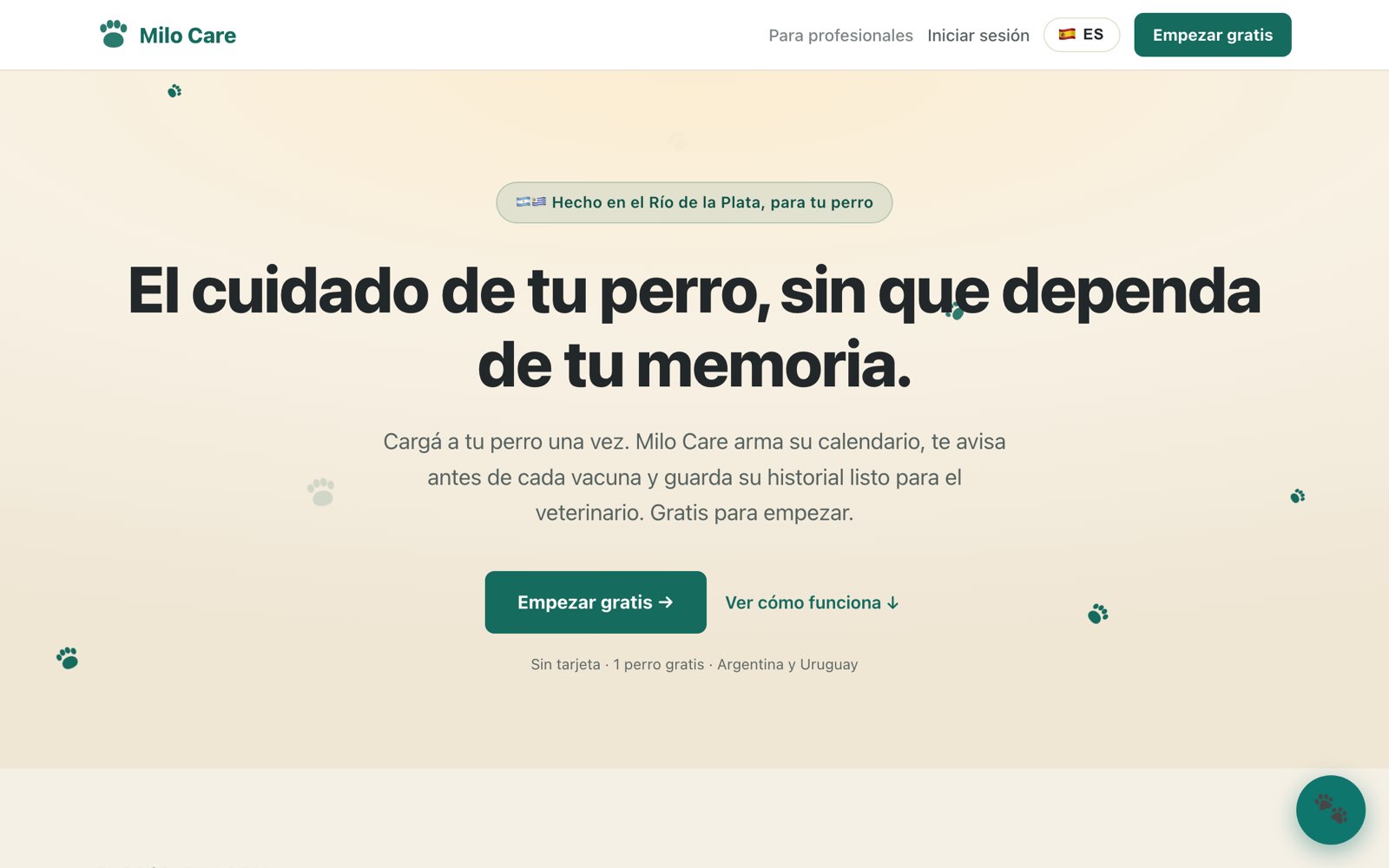
Your dog's health no longer lives in screenshots.
OriginMilo is my dog. When I had to get his vaccines, medication and checkups in order, I realized the information lived in four different places: a photo of his vaccination card, a chat with the vet, a note on my phone and my memory.
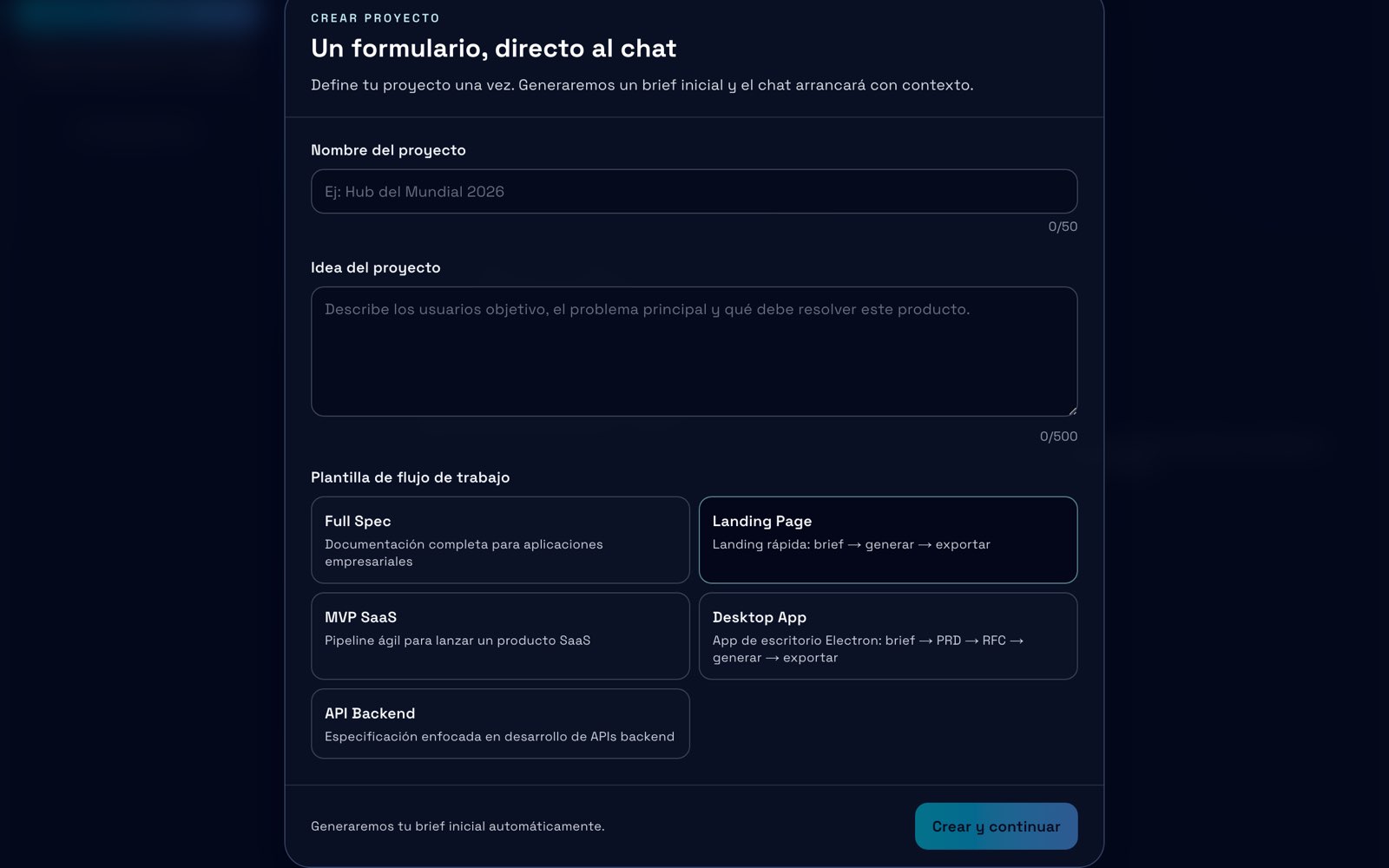
From a vague idea to a specification a team can execute.
OriginWorking with AI on my own products confirmed something I already knew from client projects: the bottleneck was never writing code.
Capabilities
From managing the team to running in production.
Teams that deliver without depending on a single person.
Find the real problem before writing code.
Translate the problem into a model that holds up.
End-to-end product, from data schema to deploy.
Keep it running when you're no longer watching it.
Use AI across the whole cycle, with judgment and verification.
Pillars
Articles and projects grouped by theme: engineering with AI, technical leadership, architecture and product.
How to bring AI agents into the development cycle: specification, context, a control harness and human review.
How I think about technical leadership, autonomy, sustainable delivery and the relationship between engineering, product and business.
Software architecture, multi-tenancy, payments, cloud, developer experience and systems that need to be explained and operated.
From observing the problem to the MVP: onboarding, user experience, hypotheses, validation and designing sustainable solutions.
Contact
Looking for an Engineering Manager or putting an engineering team together? Write to me. I answer every message.